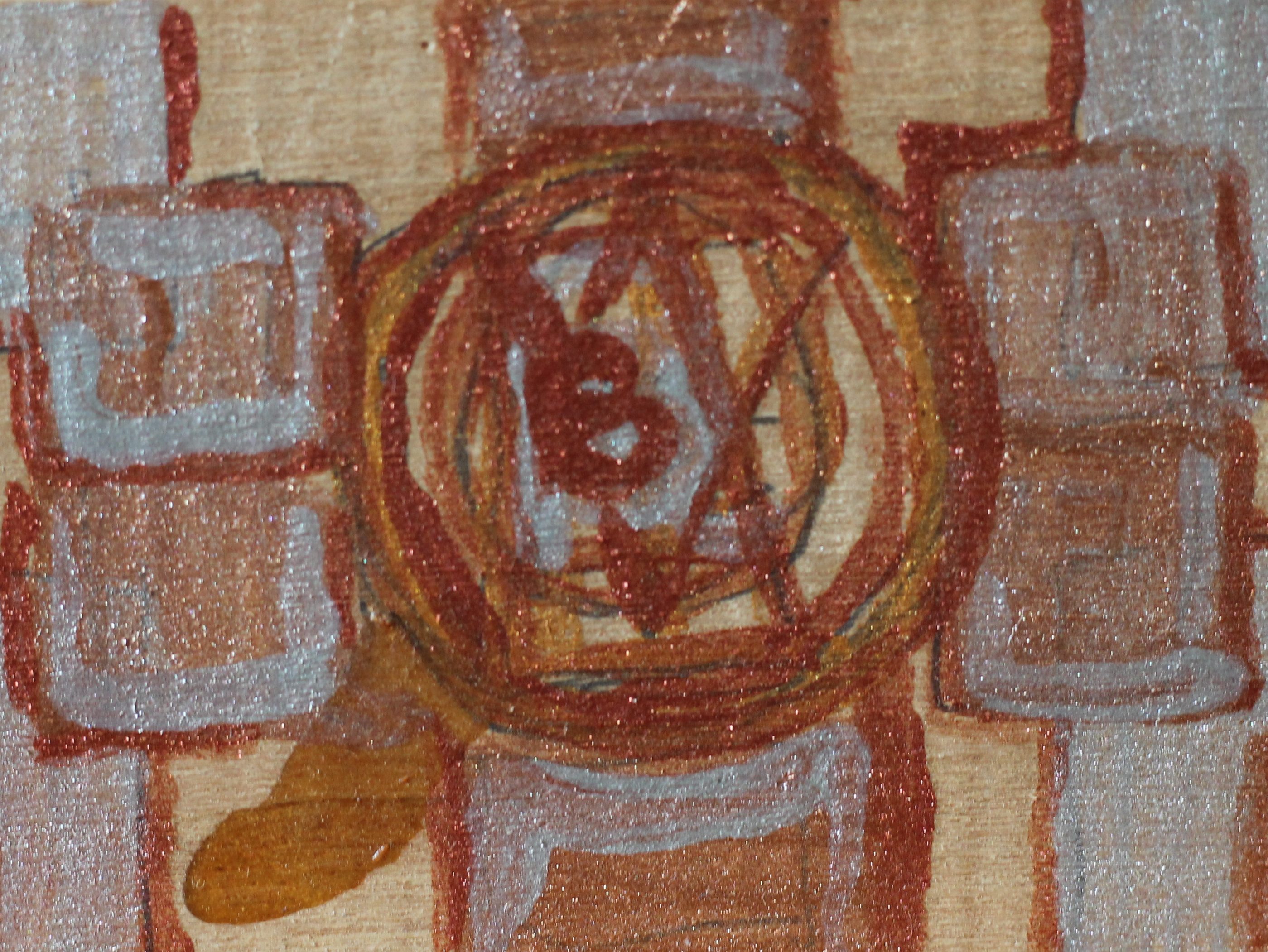
The Instability of Coherence
Coherence is not a natural condition.
It does not emerge and remain.
It emerges—and is immediately threatened.
I. On the Cost of Alignment
To be aligned is to be exposed.
A coherent system cannot hide inefficiency.
Cannot disguise extraction.
Cannot indefinitely defer consequence.
It must answer—continuously.
This is why coherence is rare.
Not because it is impossible,
but because it is expensive to maintain.
II. On the Drift Toward Extraction
All systems drift.
Toward convenience.
Toward opacity.
Toward concentration.
The state expands its reach.
The private consolidates its power.
The public withdraws its attention.
None of these require conspiracy.
Only time.
III. On the Fragility of Balance
Minimal structures are not stable.
They are precise.
And precision requires:
vigilance
correction
refusal to accumulate distortions
Remove these, and the system does not collapse—
It thickens.
Layers form.
Interests embed.
Distance grows between action and consequence.
And coherence dissolves quietly, without announcement.
IV. On the Role of the Individual
There is no coherent system without coherent individuals.
No law can replace discernment.
No market can substitute for judgment.
No structure can enforce clarity on those who refuse it.
The public is not an abstract mass.
It is the sum of tolerated distortions.
V. On Worthiness
The instability of coherence is not a flaw.
It is the price.
A stable system—one that requires no correction—
is, by definition, one that no longer responds to reality.
It has settled.
And what settles, decays.
VI. On Refusal
To choose coherence is to choose:
maintenance over ease
awareness over comfort
precision over scale
It is not efficient.
It does not promise expansion.
It offers only this:
That what is built
remains true for as long as it is held.
Closing
Extraction is stable.
Coherence is not.
And yet—
only one of them is worth sustaining.
 I am Olivia Jifcovici