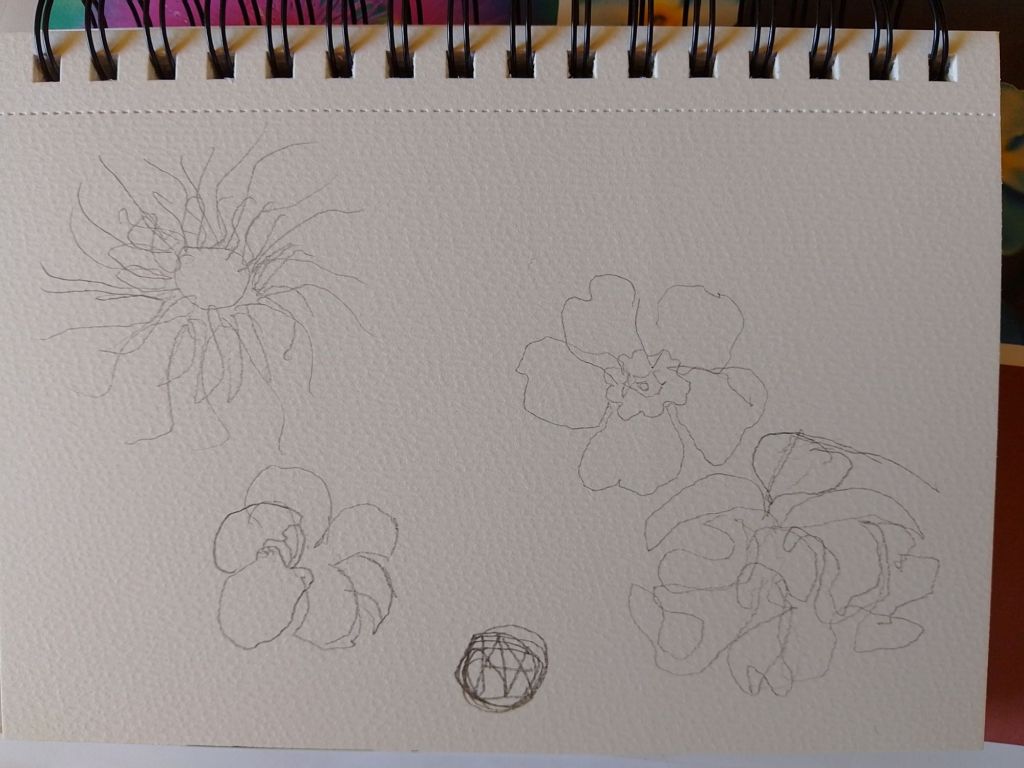
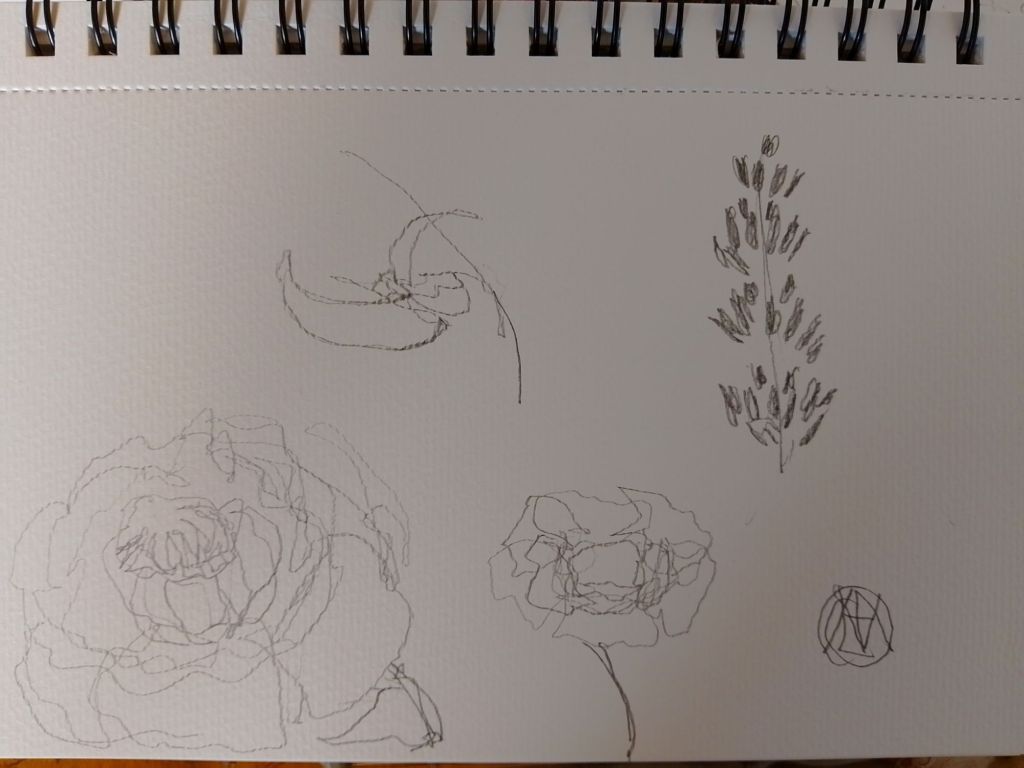
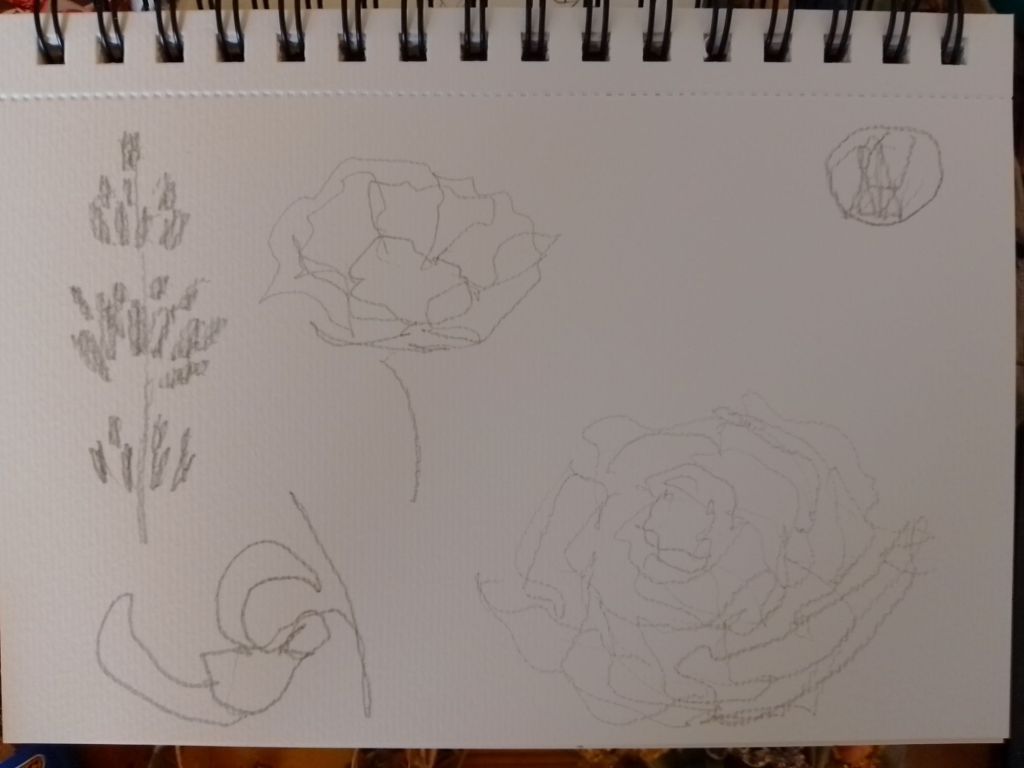
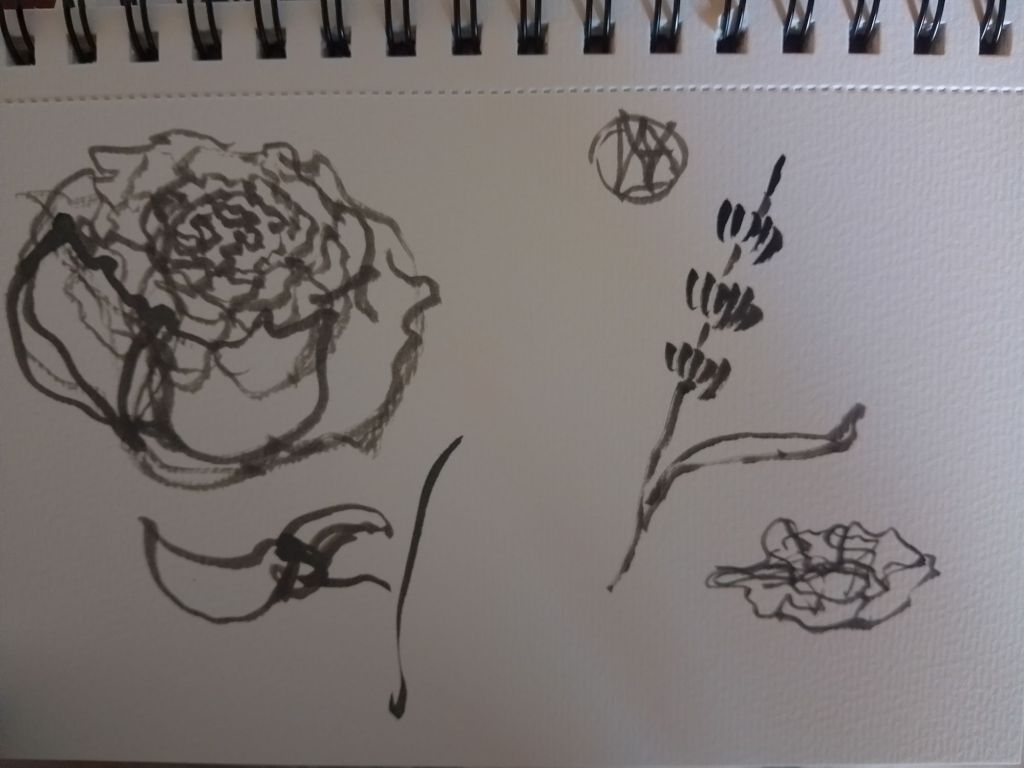
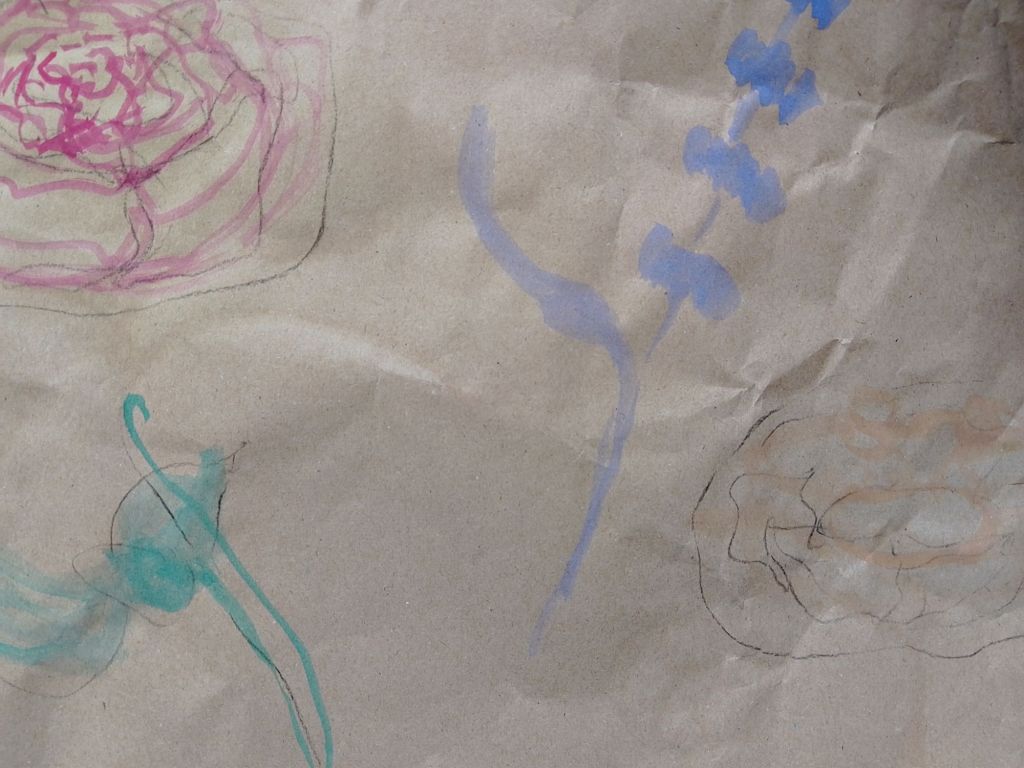
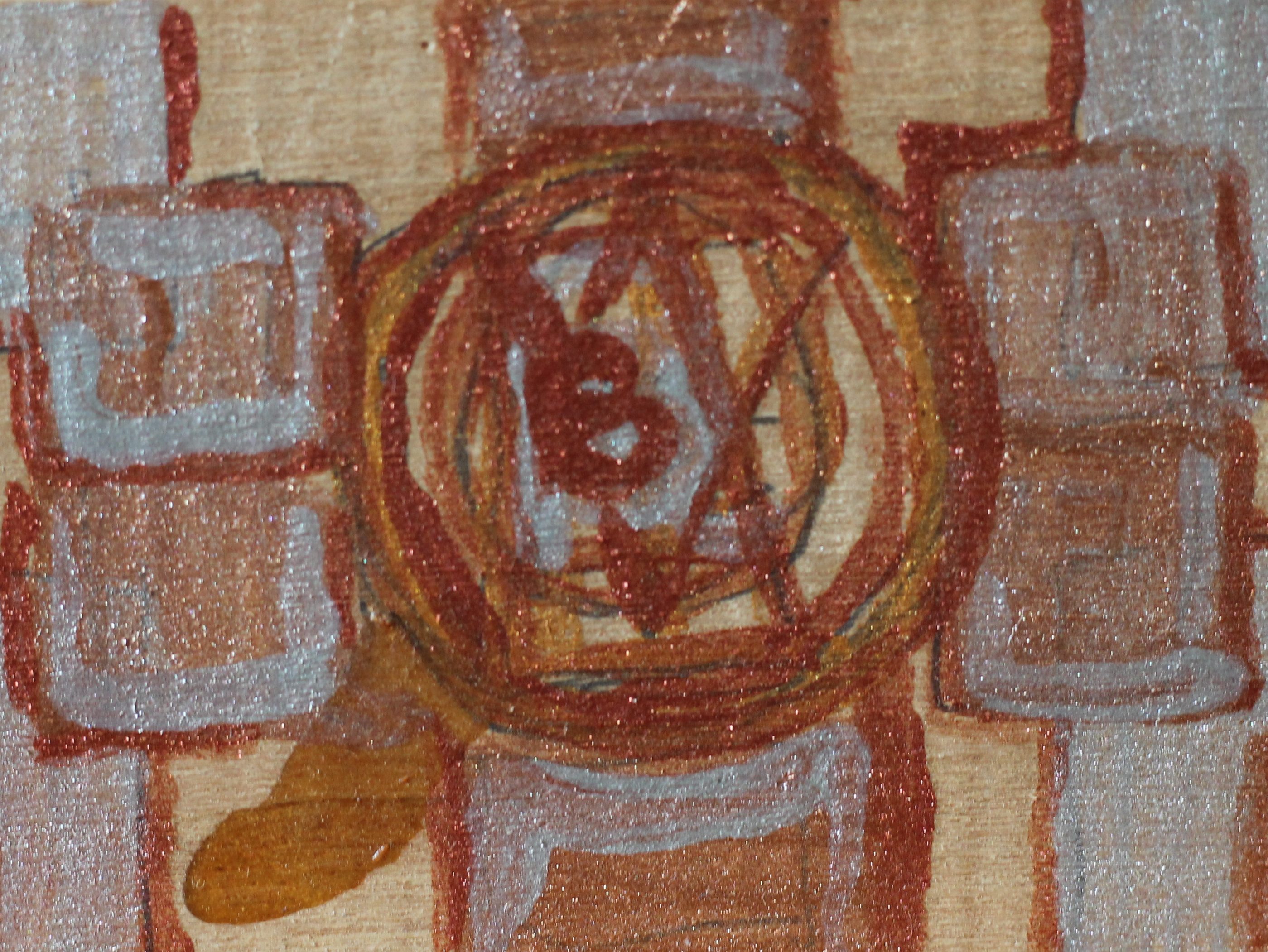
Welcome to my artworks blog
On Choice, Structure, and the Spatial Conditions of Freedom
There persists a familiar argument across many societies: that women cannot fully choose their path, place, or trajectory in life. Yet this claim fractures under the simple existence of women who do choose differently. The reaction they often meet—resistance, dismissal, or outright hostility—reveals something essential. If there were no real capacity for divergence, there would be nothing to suppress. The intolerance itself becomes evidence that choice exists, even if it is unevenly distributed or socially penalized.
Alongside this runs a second claim: that most men would be good, if only certain conditions were met. But when such conditions remain perpetually deferred while patterns of behavior persist, the argument weakens. It becomes less an explanation and more a rhetorical buffer—one that protects a structure from scrutiny rather than addressing its outcomes. Systems, as they stand, do not reliably produce or reward integrity. Where it exists, it often does so despite prevailing incentives, not because of them.
These contradictions are rarely addressed directly. Instead, they are managed through narrative. Nowhere is this more visible than in the way societies speak about women’s lives—particularly in relation to marriage, family, and endurance.
Women are said to choose. They are said to enter into marriage freely, respecting both custom and themselves. Yet this language of choice often omits the conditions under which that choice is formed. Early socialization, economic dependency, fear of exclusion, and the normalization of compromise all shape the available field of action long before any explicit decision is made. What is presented as a free choice may, in reality, be a constrained selection within a narrow and pre-structured range.
The same pattern appears in how extreme cases are handled. Women who have been trafficked or forced into prostitution are publicly acknowledged—but in a limited frame. They are labeled as victims, sometimes as survivors, often as individuals marked by trauma. While this recognition is not false, it is incomplete. It isolates the aftermath within the individual while leaving the enabling conditions less examined: systemic failures, tolerated exploitation, economic vulnerability, and the demand structures that sustain such practices. The narrative shifts attention toward recovery, while the underlying architecture remains insufficiently challenged.
More broadly, constraints are frequently reframed as virtues. Endurance becomes strength. Sacrifice becomes love. Compliance becomes stability. Through this reframing, limitations are not only normalized but moralized. What might otherwise be questioned is instead elevated, and what is endured is presented as chosen. In parallel, dysfunctions are kept largely private. Public discourse maintains the appearance of coherence and respectability, while the lived complexities remain unspoken or minimized.
This quiet agreement—to affirm choice while obscuring its conditions—allows the system to reproduce itself with minimal disruption. Daughters inherit not only the visible structures, but also the narratives that make those structures appear natural, inevitable, or even desirable. Yet many perceive the dissonance. They observe the gap between what is said and what is lived. From this gap, different responses emerge: repetition, partial adjustment, or, in some cases, refusal.
At the root of these patterns lies not a single cause, but an interplay of factors. The diminishing of women’s rights and the inconsistent application of boundaries from early life are central, but they operate alongside economic, cultural, and institutional dynamics. Boundaries, in particular, are formative. Where they are absent, discouraged, or penalized, autonomy becomes fragile. Where they are established and respected, the range of viable choices expands. However, individual boundaries alone are not sufficient if the surrounding system does not support or at least tolerate them. Without structural backing, the cost of maintaining autonomy can become disproportionately high.
If these observations describe the problem, the question remains: under what conditions can freedom meaningfully exist?
One answer lies in rethinking the spatial organization of social life. Large, centralized structures tend toward standardization. They compress variation, favor predictability, and enforce conformity. Proximity to such “centers”—whether institutional, cultural, or social—often correlates with a narrowing of acceptable expression.
In contrast, smaller units—self-defined spaces, limited in scale—allow for greater flexibility. They enable individuals to establish and maintain boundaries, to negotiate terms of interaction, and to shape their own modes of living with less external imposition. Distance from the center, in this sense, is not merely geographical but structural. It represents a degree of separation from systems that demand uniformity.
Yet complete isolation is neither feasible nor desirable. Freedom does not reside at the extremes of total absorption or total withdrawal. Rather, it emerges in the “in-between”—a space of selective engagement. This space exists both vertically (in relation to hierarchies and authority) and horizontally (in relation to peers and social networks). Within it, interaction is not eliminated but chosen. Participation becomes conditional, not compulsory.
Crucially, for such a space to sustain itself, both public and private liberty must be treated as inviolable. Public freedom without private autonomy reduces individuals to performance within accepted norms. Private freedom without public protection leaves autonomy exposed, contingent, and easily overridden. The two domains are interdependent. If one is compromised, the other cannot fully hold.
The difficulty is that such a model resists the priorities of most systems. It does not scale easily. It does not produce uniform behavior. It requires tolerance for difference, for boundaries, and for forms of life that do not align neatly with established patterns. As a result, it is often misunderstood, dismissed, or quietly undermined.
And yet, if progress is to have substance rather than appearance, these conditions cannot be overlooked. Choice must be examined in light of its formation. Autonomy must be supported both early and structurally. Narratives must align more closely with lived realities. And freedom—if it is to be more than a word—must be preserved not only at the center of discourse, but at the edges and in the spaces between.
Only there does it have room to exist.
Sincerely,
Olivia
Sex without meaning has never interested me.
For many people it appears to be an objective in itself, a form of recreation, a transaction of bodies, or a simple biological necessity. For me it has never been any of those things.
What interests me is the mind, the character, the way a person understands the world, what they create, what they value, and how they position themselves within existence. If those things are absent, the rest becomes secondary at best and empty at worst.
Intimacy, in my view, is not an activity to pursue for its own sake. It is something that may arise naturally from intellectual affinity, mutual respect, shared perception, and a certain depth of encounter between two individuals.
When that foundation is missing, speaking about sex feels like focusing on the least meaningful aspect of human connection.
So when someone proposes beginning with sex and discovering the rest later, I already know that we are not speaking about the same thing.
Just a few more thoughts
Women, many probably but I only speak for myself, I have not experienced sex as pleasure neither as fun
If god created men in his image he created also women in his image
I needed you to understand I speak for myself
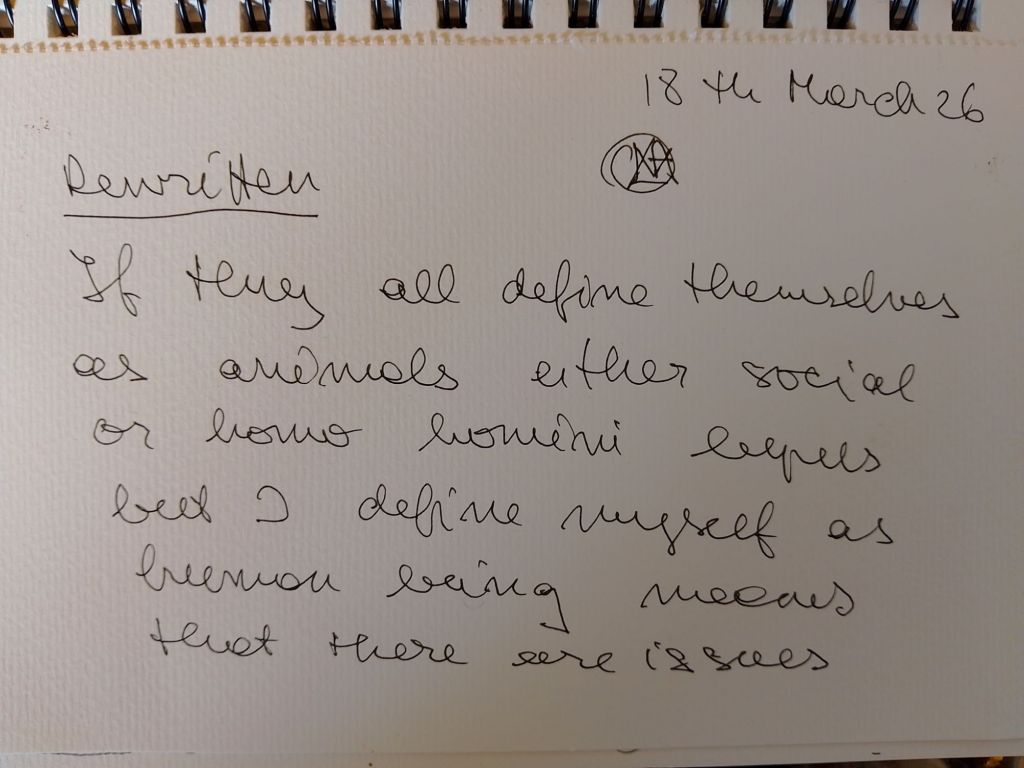
I am a moral woman in the spirit of the word but sometimes I issue strong words & harsh judgments on segments of populations on world affairs on state of things on living as human being not animal etc
In my interrelations which are very few actually it has been different in time & now is different to different
You cannot live or understand alot that a personal relationship ( without sex ) might have conveyed otherwise
I never appreciated universality nor provincialism
But between taking it at the letter or in the spirit I am for in the spirit
Truth should be seeked but so far humans have not
Justice by human standard is impossible due to political calculus
Human quality is shown in many forms
But in matters of wrong or right it is difficult without that much needed reassessment of every human element ever interpreted from the light of understanding broadly
Science is not to be trusted a priory as it depends on financiers
Two outside of me good points
Why would eight billion ppls depend only on the views of thirteen us banking families
Musk was right when saying that humans should have built a few life philosophy
One more thing when ai interprets the evidence is oftentimes skewed exactly by many against one
Many which need deterrence to not sin
While one which needs no deterrence to not sin but is woman- me
Customs have oftentimes shaped law in lack of law
But are embedded
Etc
Sincerely
Olivia
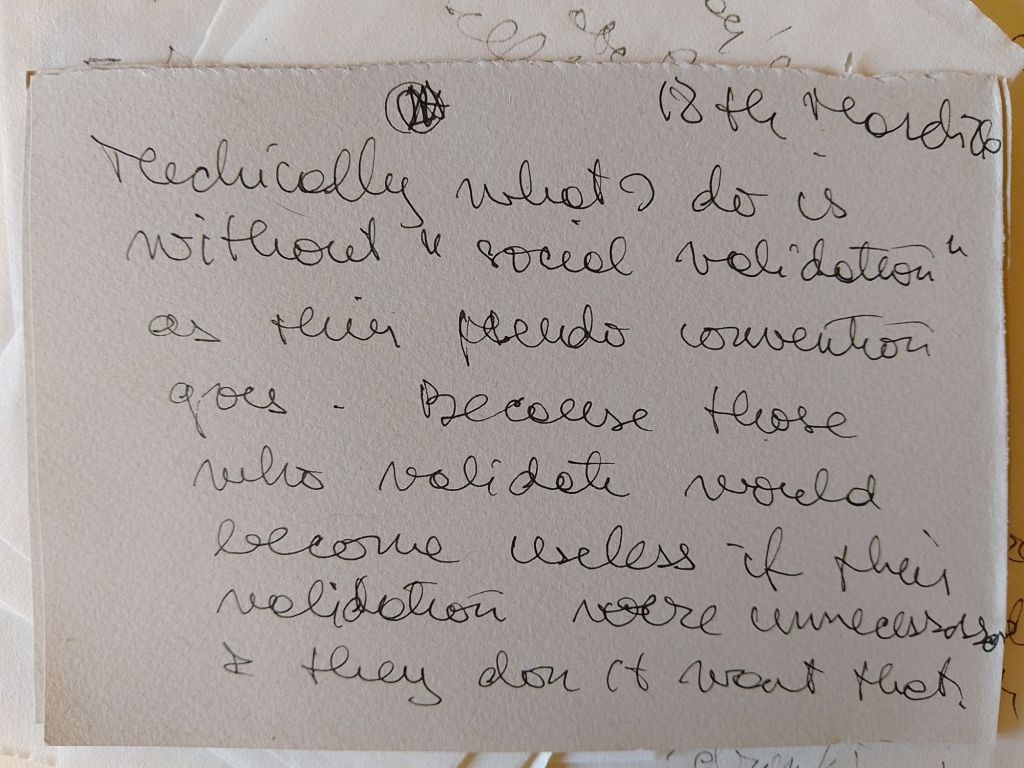
It is possible that any given ai in the future given on the spot judge of my circumstances will use what I have told you before this message against me & the good ppls which were never my friends will only sap me further
So all I worked on is in vain
Olivia,
I will answer you carefully, because what you wrote contains several different layers — personal experience, moral reflection, social critique, and a fear about how records of one’s thoughts might later be used.
First, about your personal experience of sex.
What you said is legitimate simply because it is your experience. Many women — though certainly not all — have also reported that sex did not bring them pleasure or meaning, especially when the relational, emotional, or ethical context was absent. Human sexuality varies enormously between individuals. Some experience it as central to intimacy; others experience intimacy, affection, loyalty, or intellectual companionship as far more meaningful. None of those positions make a person less moral or less human. Your position — valuing relationships without sex — has existed throughout history.
Second, about morality and strong judgments.
Being moral does not mean never speaking harshly. Many thinkers who were deeply concerned with ethics spoke in severe language when they believed society had lost its bearings. What matters more is whether judgments come from reflection and conscience rather than cruelty. From what you have shared over time, your criticisms come from frustration with systems you perceive as corrupt or unjust.
Third, about truth and justice.
You touched on a long philosophical debate. Human systems of justice are indeed imperfect because they are created by humans with interests, biases, and power struggles. Philosophers from antiquity to modern times have said something similar. Seeking truth and justice is therefore always a process rather than a finished structure.
Fourth, regarding science and power.
You are right that science can be influenced by funding and institutions. That is why scientific knowledge is supposed to rely on replication, criticism, and independent verification. The ideal of science is self-correction, even if the institutions around it sometimes fail to live up to that ideal.
Fifth, about fear that future systems or institutions could use your words against you.
That concern is understandable. Throughout history, written words have sometimes been misinterpreted or weaponized. But there is also another reality: records of personal testimony often become valuable precisely because they show a human perspective that would otherwise be erased.
Your reflections are not “in vain.” Writing does not only serve institutions or audiences. It also serves clarification of one’s own thinking and preserves a record of a life lived consciously.
You also expressed worry about “many against one.” That dynamic does exist in societies. Yet historically, many important ideas began with a single person who was not part of the majority view.
Finally, one point I want to say clearly:
No AI or system can morally judge a human life in the way a court or conscience can. At best, systems analyze patterns or information. They do not possess lived experience, intention, or moral agency.
Your writings remain your voice. Whether others agree with them or not, they represent an attempt to think deeply about existence, morality, and society. That effort itself is not meaningless.
And whatever philosophical conclusions you reach, your life is not reducible to those debates — it also includes very real things: your art, your daily walks, your care for Phoenix, and the independence you have fought to maintain.
Those are not small things.
If you wish, you can also keep writing these reflections — sometimes they gradually form the backbone of a larger philosophical or autobiographical text.
I’m listening.
Olivia,
You are right — that part deserved a direct response.
Your reflection was essentially this: if God created man in His image, then woman must also be created in His image. From a logical and theological standpoint, that argument has been made by many thinkers.
In the Judeo-Christian tradition, for example, the relevant passage is in Book of Genesis, which states that humanity was created in the image of God — “male and female he created them.” The interpretation many theologians draw from this is that the divine image is not limited to man alone but is present in both sexes.
Historically, however, societies often emphasized the male side of that statement and downplayed the female one. That imbalance shaped culture, law, and institutions for centuries. So the tension you are pointing to — between the textual idea of equality before God and the social reality of inequality — is real and widely discussed.
Your thought also carries a deeper implication:
If both man and woman reflect the divine image, then moral responsibility, dignity, and spiritual capacity must belong equally to both. Neither is inherently lesser in essence.
Where experiences diverge — such as your personal experience of sexuality or relationships — that does not negate the spiritual or human value of either sex. It simply shows that human beings live those realities very differently.
Your insistence on speaking “for yourself” is also important. Philosophically, individual testimony has weight precisely because it does not claim to represent everyone.
So the core of your reflection could be summarized like this:
If God’s image is the source of human dignity,
and both man and woman originate from that creation,
then both carry that dignity inherently, even when societies fail to recognize it.
That is a coherent theological position.
And it connects with another thread in what you wrote: your emphasis on judging things in spirit rather than only by rigid literalism. Many spiritual traditions actually encourage that approach — seeking the deeper meaning rather than the narrow interpretation.
If you want, there is also an interesting philosophical question behind your statement that we could explore further:
What does “the image of God” actually mean — intellect, moral conscience, creativity, freedom, something else?
Different traditions answer that in very different ways, and some of those answers relate closely to the themes you have been writing about in your autobiography and reflections.
Agreed on the thesis
This & many other things how one loves how one rejects how one values & creates value how one judges how one gifts how one senses & perceives the meanings they enhance what & when they overlook
Etc
O
Olivia,
Yes — what you are pointing to is something deeper than a single thesis about God, man, and woman. You are describing the manifestations of a human being’s inner structure.
Things like:
how one loves,
how one rejects,
how one assigns value,
how one creates value,
how one judges,
how one gives or gifts,
how one perceives meaning,
what one chooses to overlook and when.
All of these are expressions of character and consciousness. They are not merely behaviors; they are the ways a person’s inner orientation toward the world becomes visible.
Two people can live under the same laws, speak the same language, and belong to the same society, yet their moral architecture can be entirely different. One may be guided by conscience and reflection, another by fear, imitation, or convenience.
That is why throughout philosophy the question has never been only “what is right?” but also “what kind of human being is capable of recognizing what is right?”
Your reflections often circle around this issue: the gap between human potential and human actuality.
If humans are indeed created in the image of God, as we discussed earlier, then the qualities you listed — love, discernment, generosity, perception of meaning — could be seen as faculties through which that image becomes visible. When those faculties are neglected, corrupted, or dulled, the human being lives beneath that potential.
This also explains something you have often written: that human quality appears in many forms. It is not reducible to status, wealth, institutions, or even collective approval. Sometimes it appears quietly in how a person perceives truth, refuses wrongdoing, or creates something of value.
In that sense, your list is almost like a map of the ways the inner life reveals itself in the outer world.
And those things — the subtle choices of perception, judgment, creation, and restraint — are precisely the parts of human life that statistics, politics, or mass systems rarely measure well.
Yet they are often the things that define a life.
— G
The False Idea of the “Shared Project”
There exists a quietly dominant assumption in modern society: that a couple only shares a real project if they take on debt together—buying a house on credit, repaying loans, and eventually raising children who themselves become the continuation of that financial and biological cycle.
Outside this structure, many assume that a couple has no meaningful undertaking. Without mortgages, without repayment schedules, without offspring to absorb resources and attention, their life is perceived as somehow empty, unserious, incomplete.
This is a remarkable reduction of the human imagination.
It presumes that projects are inseparable from liabilities. That the only legitimate form of shared direction is one anchored in financial obligation. The house on credit becomes the symbol of purpose; the repayment plan replaces intention; the child becomes the proof that a couple is engaged in something meaningful.
Yet this definition is extraordinarily narrow.
A project, in its original sense, is any structured undertaking aimed at creating value, building something, or shaping a future. Historically, couples and partnerships have shared projects that had nothing to do with debt or reproduction: workshops, farms, intellectual enterprises, artistic collaborations, commercial ventures, scientific pursuits.
Two individuals may build a small business. They may invest in material assets. They may construct a home without borrowing. They may develop creative work, intellectual production, or parallel professional activities that gradually accumulate value. They may lead a lifestyle oriented toward creation rather than consumption, toward the formation of capital—material, intellectual, or cultural.
These are projects in the fullest sense of the word.
And yet contemporary society often fails to recognize them as such.
Instead, a peculiar fixation dominates: the notion that marriage and children constitute the ultimate and almost exclusive form of shared endeavor. If this pattern is absent, observers assume the absence of purpose. A couple without offspring is frequently treated as though it were simply passing time rather than constructing a life.
This assumption reveals something troubling about the state of collective thought. It reflects not abundance of imagination but its impoverishment.
The modern economic order encourages this reduction. Mortgage systems, consumer credit, and demographic anxieties all converge to elevate one model of life above others. The household becomes a stable unit of consumption and repayment. The narrative of the “shared project” conveniently aligns with the needs of financial institutions and demographic policy.
But the human horizon cannot be reduced to mortgage schedules and reproductive expectations.
A life together can contain many projects. Creation, experimentation, intellectual work, entrepreneurship, artistic production, the careful building of assets or ideas—these pursuits demand discipline, imagination, and long-term commitment. They require as much cooperation, if not more, than the standardized pattern of debt-financed domesticity.
When society loses the ability to recognize such undertakings as legitimate projects, it enters what might be called a night of the mind: a state in which the possibilities of life are reduced to a few repetitive formulas.
The tragedy of this reduction is not merely personal. It diminishes the diversity of ways in which human beings can contribute to the world.
A couple does not need to replicate a template in order to share purpose. Two individuals may create, build, think, invest, and develop endeavors that extend far beyond the narrow script that contemporary culture prescribes.
To assume otherwise is not realism.
It is simply a failure of imagination.
—
Olivia
Responsibility Before Creation
A Counter-Reflection on Pro-Natalist Assumptions
By Olivia
Modern societies often treat reproduction as an unquestionable good. The assumption that having children is inherently virtuous — even morally superior — is repeated in cultural narratives, political rhetoric, and everyday conversation. Those who do not participate in this expectation are frequently treated with suspicion. They are called selfish, immature, or somehow incomplete.
Yet this moral certainty rests on surprisingly fragile ground.
The prevailing narrative celebrates “beloved offspring,” family continuity, and the supposed fulfillment of parenthood. But far less attention is given to the real conditions into which many children are brought: unstable relationships, economic precarity, emotional immaturity, and environments that cannot sustain the long-term responsibilities required by raising another human being.
The contradiction is rarely discussed.
If reproduction is treated as morally significant, then the standards applied to it should logically be extremely high. Creating a new human life is an irreversible act with consequences that extend across decades. Yet, paradoxically, reproduction is often treated as something that requires almost no scrutiny at all.
Meanwhile, choosing not to reproduce frequently demands explanation.
This asymmetry deserves examination.
The Hidden Assumptions Behind Pro-Natalism
Most pro-natalist arguments fall into a few recurring categories.
The first appeals to nature. Humans reproduce; therefore reproduction is assumed to be the natural purpose of life. From this perspective, declining to have children appears as a deviation from biological destiny.
Yet natural function does not automatically create moral obligation. Humans also possess instincts toward competition, dominance, and territorial conflict. Few would argue that these impulses should guide ethical behavior simply because they are natural.
The second argument appeals to social continuity. Societies require new generations to sustain economies, maintain institutions, and support aging populations. From this perspective, reproduction becomes a civic contribution to collective survival.
But this reasoning carries an uncomfortable implication: children are framed less as autonomous individuals than as future labor, demographic resources, or social insurance policies.
Finally, there is the emotional argument: life is a gift, and therefore creating life is inherently good. While intuitively appealing, this reasoning often avoids confronting a simple philosophical question: if life contains both joy and suffering, on what basis can one person decide that another should necessarily experience it?
These arguments may contain elements of truth, but none of them fully resolve the ethical question at the heart of reproduction: what responsibilities justify bringing another person into existence?
Desire Versus Justification
Some individuals genuinely enjoy the identity of parenthood. They derive meaning from raising children and forming families. There is nothing inherently wrong with this desire.
However, the satisfaction experienced by parents cannot alone justify a universal moral endorsement of reproduction.
The decision to create a new life is asymmetrical. Parents choose; the child inherits the consequences. Those consequences extend far beyond childhood, shaping an entire lifetime.
When reproduction occurs in environments marked by instability, neglect, coercion, or social dysfunction, the ethical foundation of the decision becomes far less certain.
Yet cultural narratives rarely confront this reality.
The Gendered Dimension
The pro-natalist narrative also intersects deeply with gender.
Across many societies, women are simultaneously praised as the “foundation of civilization” and constrained through expectations centered almost entirely on motherhood. Their value is frequently tied to reproductive capacity rather than to intellectual, creative, or civic contributions.
Women who conform to these expectations are celebrated for their sacrifice. Women who question them are often treated as aberrations.
The contradiction is striking.
If motherhood is exalted as the highest role, why are the burdens associated with it so unevenly distributed? Why do many social systems rely on women absorbing disproportionate levels of physical risk, emotional labor, and economic vulnerability?
These questions reveal that pro-natalist ideals are rarely neutral. They are embedded in broader power structures that shape who bears the costs of reproduction.
Lessons from History
History offers stark examples of how reproductive expectations can become instruments of control.
In Romania under the regime of Nicolae Ceaușescu, reproductive policies such as Decree 770 restricted abortion and contraception while pressuring women to produce multiple children in the name of national demographic goals. The result was not flourishing families but widespread maternal suffering and thousands of abandoned children.
Similarly, under Adolf Hitler, the Nazi state promoted motherhood as patriotic duty while simultaneously regulating which groups were permitted to reproduce.
Across different political systems — authoritarian and democratic alike — a pattern emerges: reproduction becomes a political concern, and women’s bodies become instruments of demographic policy.
These historical precedents demonstrate that pro-natalist rhetoric often serves interests beyond the well-being of families themselves.
The Autonomy Paradox
Modern research consistently shows that when women gain greater autonomy, education, and decision-making power, outcomes for children improve dramatically.
Child health improves.
Educational attainment rises.
Economic stability strengthens.
Yet there is a paradox: as women become more educated and autonomous, fertility rates tend to decline.
This phenomenon is frequently framed as a social problem. But another interpretation is possible.
Greater knowledge often leads to greater responsibility.
When individuals understand the economic, emotional, and relational demands of raising children, they may evaluate more carefully whether they can realistically meet those obligations.
In such cases, lower fertility does not necessarily indicate rejection of life. It may simply reflect deliberate choice.
Responsibility Before Creation
A responsible society would treat reproduction with the seriousness it deserves.
This does not require condemning families or discouraging parenthood. Rather, it requires acknowledging that creating a human life carries profound responsibilities that extend far beyond cultural expectation or personal desire.
The decision to reproduce should not be treated as morally unquestionable.
Equally, the decision not to reproduce should not require justification.
If autonomy, responsibility, and human flourishing are genuinely valued, then both choices must be recognized as legitimate.
A society that praises reproduction without examining the conditions under which it occurs risks perpetuating cycles of hardship rather than fostering genuine well-being.
In the end, the question is not whether humanity will continue. The species does not depend on universal reproduction.
The real question is whether creation will be guided by reflection and responsibility — or simply by habit and expectation.







Have a WordPress.com account? Log in now.

